
Recipes
Inside Our Kitchen: Cooking Over Open Fire

Why Fire Changes Everything
There is a moment, just after the coals turn white, when our kitchen goes quiet. Every chef knows the fire is ready, and every dish that follows carries a little of that heat and smoke.
Cooking over live fire is the oldest technique we know, yet it still surprises us daily. High, dry heat caramelises the surface of meat and vegetables in seconds, locking in juices while building a deep, savoury crust that no pan can copy.
It is also honest cooking. There is nowhere to hide on a grill: timing, seasoning and patience all show on the plate, which is exactly why we love it.
“Fire does not forgive shortcuts. Respect the heat, give the food time, and it will reward you every single night.”
— Chef Daniel Reyes, Head Chef
Choosing the Right Fuel
Fuel is flavour. We burn lump hardwood charcoal for steady heat and add a few chunks of fruit wood near the end for a gentle, sweet smoke.
Briquettes, lighter fluid and damp wood all leave bitter notes behind, so we keep things simple and clean.
- Lump charcoal: burns hot, clean and lights quickly.
- Fruit wood (apple, cherry): mild smoke for poultry and vegetables.
- Oak: steady, medium smoke that suits red meat and lamb.
- Avoid treated or painted wood, and never use lighter fluid.

Building Two Heat Zones
Every great grill session starts with two zones. One side burns fiercely for searing; the other stays gentle so food can finish cooking without scorching.
- Light a full chimney of charcoal and wait until it is covered in white ash.
- Pour two-thirds onto one side of the grill and spread the rest thinly.
- Close the lid for five minutes to heat the grates.
- Sear on the hot side, then slide food across to finish.
- Rest everything on a warm board before slicing.
Once you cook this way, you will never go back to a single wall of heat. It gives you control, and control is everything.
The Signature Marinade
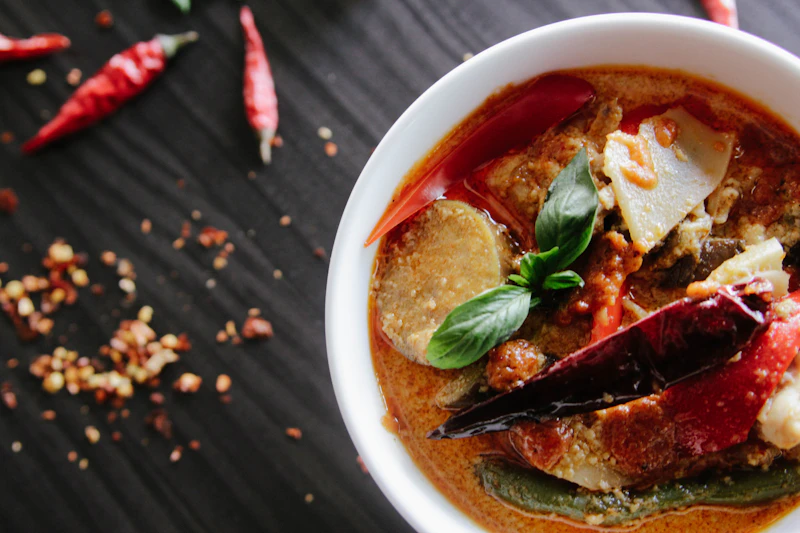
Our signature marinade balances acid, fat, salt and warmth. It tenderises without turning meat mushy and helps build that glossy, charred crust.
Recipe · Serves 4
House Fire Marinade
Ingredients
- 4 tbsp olive oil
- 3 cloves garlic, crushed
- 1 lemon, zest and juice
- 1 tbsp smoked paprika
- 1 tsp ground cumin
- 2 tsp sea salt, black pepper
Whisk everything together, coat the meat or vegetables, cover and chill for up to 24 hours.
Pat everything dry before it hits the grill. Wet surfaces steam instead of sear, and you will lose the crust you worked for.
Plating & Garnish
We plate simply: a warm board or plate, the main ingredient at the centre, and something fresh and bright alongside to cut through the richness.
Herb oils, pickled onions, charred lemon and a pinch of flaky salt finish almost any grilled dish.
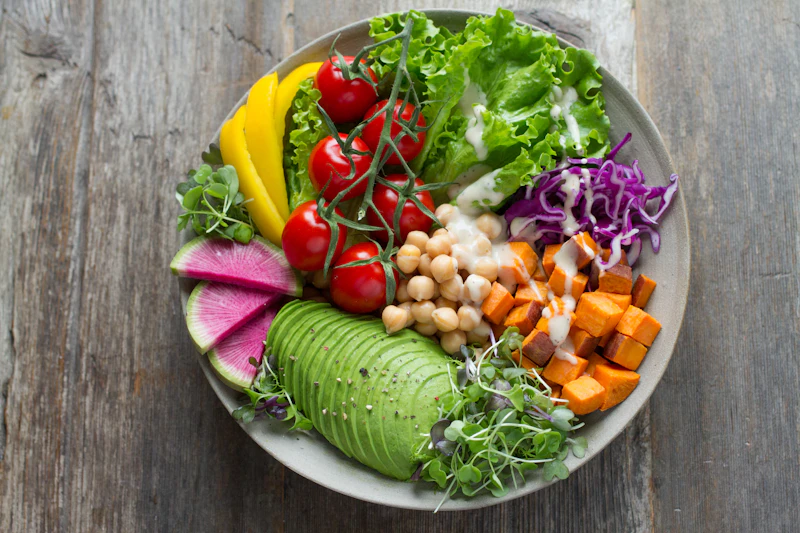
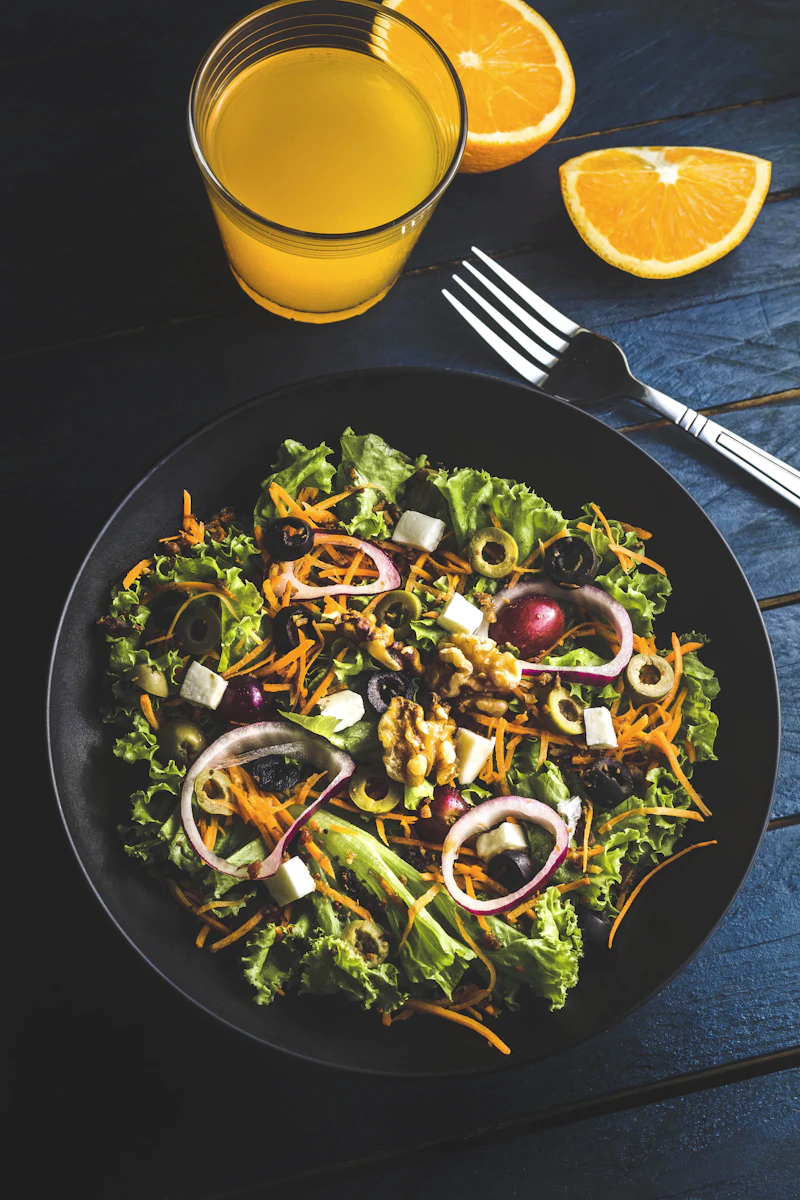
Colour matters as much as flavour. Green herbs, red peppers and golden crusts make every plate look as good as it tastes.
Chef's Note on Resting
Resting is the step most home cooks skip, and it makes the biggest difference. As food rests, juices settle back into the meat instead of running onto the board.
A short rest also gives you time to finish sauces and sides, so everything reaches the table hot at the same moment.

Bringing It Home
You do not need a restaurant grill to cook this way. A simple kettle barbecue, a bag of lump charcoal and a little patience are enough to bring that smoky, golden flavour to your own table.
Start with one dish you love, practise the two-zone method, and build from there. Within a few weekends, cooking over fire will feel natural.
Quick tip
Keep a spray bottle of water nearby to calm flare-ups, and a pair of long tongs so you never need to reach over the coals.
Key Takeaways
- Use clean lump charcoal and a little fruit wood for flavour.
- Always cook with a hot zone and a gentle zone.
- Marinate ahead, then pat dry before grilling.
- Rest food for half its cooking time before slicing.
Written by
Acme Restaurant Kitchen
Head Chef · Fresh from our kitchen
Our team writes about fire, seasonal produce and the stories behind our most-loved dishes.
View all posts

Newsletter
Fresh stories, every week
Recipes, events and kitchen news delivered to your inbox. No spam, ever.